
At HD, we see prototyping as the foundation of great design. It enables us to move beyond the screen, bridging the gap between digital concepts and the realities of human interaction. While CAD models, simulations, and digital renderings are vital, they can’t fully replicate the way a user will hold, operate, or interpret a product. Whether it’s the grip of a surgical instrument, the visibility of a button under pressure, or how a device feels during prolonged use, these insights only emerge when people physically interact with the design.
Early-stage prototypes don’t need to be complex or expensive. In fact, the most valuable feedback often comes from the simplest of models, foam cut-outs, 3D-printed block models, or even cardboard mock-ups. These rapid, low-cost iterations allow us to quickly test form, scale, reach, and ergonomics before committing to more advanced development. They highlight challenges that might otherwise remain hidden on screen, such as awkward wrist angles, obstructed sightlines, or unexpected user behaviours.
For medical device development, prototyping and testing take on an even greater significance. Human factors are not just about comfort; it directly impacts safety and regulatory compliance. By involving clinicians, patients, and other stakeholders early in the process, we capture critical feedback that shapes the product’s evolution.
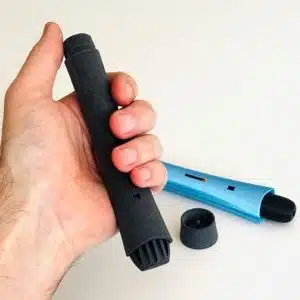
This ensures the design is not only technically sound but also intuitive, reducing the risk of misuse and improving outcomes in real-world settings.
This user-centred approach doesn’t just tick regulatory boxes; it builds trust. A product that feels natural, safe, and easy to use is far more likely to be adopted by clinicians and embraced by patients.
Prototypes also serve as powerful communication tools. They allow development teams, clients, and stakeholders to align around something tangible, helping to ground discussions in real experiences rather than abstract assumptions. This clarity fosters collaboration, reduces misinterpretation, and accelerates decision-making.
Most importantly, prototyping helps uncover risks and challenges early, when changes are quicker and far more cost-effective to implement. Every insight gained at this stage reduces the likelihood of costly redesigns later in development, saving both time and money while increasing confidence in the final product.
The earlier we prototype, the earlier we learn. Early prototyping and user testing create a virtuous cycle of iteration, feedback, and improvement that ensures the final product is not just functional but genuinely fit for the people who will use it.
In today’s competitive and highly regulated markets, this approach isn’t just good practice; it’s a necessity. At Haughton Design, we champion early prototyping because it leads to safer, smarter, and more successful products.
Mark ensures that projects are delivered on time and are suitably resourced to guarantee quality of output. Mark is heavily involved in our design services, having a wealth of experience in healthcare devices, trainer devices, IVD’s, and inhalation.
Mark holds a Bachelor’s Degree in Product Design along with 20 years’ experience working on a wide range of design projects.
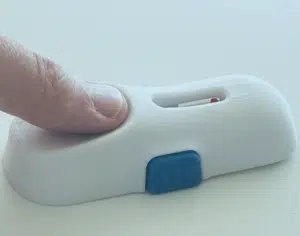
Early prototyping and user testing catch usability issues before costly mistakes, creating safer, smarter medical devices for users....
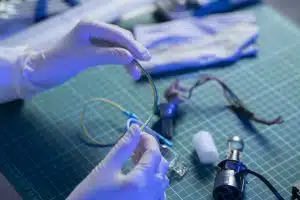
Early prototyping and user testing catch usability issues before costly mistakes, creating safer, smarter medical devices for users....

As we mark Love Your Lungs Week, we explore the latest trends shaping the inhalation industry. From advances in inhaler technology and sustainability initiatives to evolving patient needs and regulato...

Design Development Engineer, Holly Arrowsmith, shares an introduction to herself and how her first few months at Haughton Design have been....

As our newly appointed CEO enters his role, we ask him what he plans for the business in the future ahead....
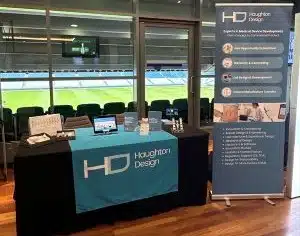
Reflection from PDA Miniverse 2026: the big themes shaping medical devices, combination products and connected health....

As our Founder and Chairman retires, he reflects on building the company, the milestones along the way, and the future ahead....
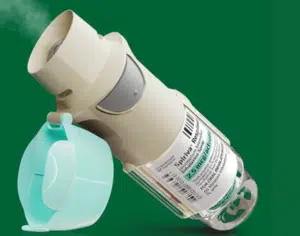
Explore inside a sustainable inhaler - do reusable designs really offer an eco-friendly solution, or is there more to consider than reusability....
HD CEO Ash Ghadar shares drug delivery development insights from PDA Vienna....
Discover how Haughton Design's diverse team leverages their extensive experience to drive innovation in device development. Learn about our expertise and unique insights that ensure successful project...