
These changes are not only affecting which inhalers are prescribed but also how devices are designed and manufactured. The industry is entering a period of significant innovation and transition, from lower-carbon propellants and reusable devices to digital connectivity and new inhalation platforms. Several trends are now helping to shape the future of respiratory care.

Inhalers account for about 3% of the NHS carbon footprint, mainly because of the HFC propellants used in meter-dosed inhaler (MDIs). Over the past few years, many MDIs have been moving towards low-GWP propellants. However, this affects aerosol behaviour, particle distribution, overall device performance and even factory safety requirements, because some of the newer propellants, such as HFA 152a, are more flammable. In other words, this is not a simple switch from one propellant to another. Once these changes have been made to existing devices, reusable MDIs, such as HD’s EcoHale, could help reduce the carbon footprint of the device even further.
DPIs and SMIs have a much lower carbon footprint than MDIs because, although they are often more complex devices, they are completely propellant-free.
The National Institute for Health & Care Excellence (NICE) published NG245 guidance in November 2024, encouraging healthcare professionals to move away from prescribing MDIs, such as Ventolin, where clinically appropriate. The guidance instead supports the use of lower-carbon MDI options, such as Salamol, or salbutamol DPIs, such as Easyhaler. Maintenance and Reliever Therapy (MART), which combines an inhaled corticosteroid (ICS) with formoterol and is often delivered via a dry powder inhaler (DPI), is also a key option for people aged 12 years and older.
It is recommended as an alternative to SABA-only treatments (short-acting beta2 agonist reliever therapies). To summarise, NG245 is helping to promote lower-carbon inhaler options, often DPIs, where clinically appropriate. This is contributing to the increased uptake of DPIs and the gradual decline in MDI use.
Paper-based inhaler concepts, like the 1nhaler single-dose inhaler, are also gaining traction, reflecting the drive to improve sustainability through the materials used in device manufacture.
The FDA has recommended since 2003 that new MDIs under development should incorporate integrated dose-counter mechanisms to help patients track remaining doses more reliably. The longevity of a lot of MDI designs and the fact that the guidelines are for new developments only means that there are still many MDIs without dose counters on the market. For new MDI developments, this means added cost and development time, and a more complex device to produce and assemble. However, the guidelines were implemented to improve patient safety and usability, and it’s an obvious and welcome improvement in those areas, rather than the user guessing how many doses are left in the inhaler.
A hot topic at the moment is patient adherence and digital connectivity, which offer some real benefits for inhalers of all types. A mechanical dose counter is useful, but an inhaler connected to a smartphone can relay lots of information to the patient and on to their doctor if required. Possibilities include dose counting, recording when and how often it’s used, highlighting missed doses and feedback on technique (flow and timing) to improve drug delivery effectiveness.
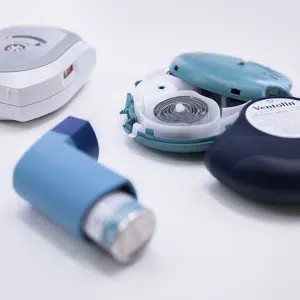
SMIs are the latest in the line of inhalation technologies and have proven to be highly effective and advantageous in many ways. With one on the market and several more in development, this is an area certain to grow over the next 10 years. Driving this growth are the many advantages in usability and clinical performance. Their longer spray duration can make coordination between actuation and inhalation easier, and this may improve lung deposition while reducing deposition in the mouth and throat. SMIs may be particularly beneficial for patients who struggle with the hand-breath coordination required for MDIs or who can’t achieve the inspiratory flow needed for some DPIs.
Like DPIs, SMIs are free from propellants, and they fit well with the move towards lower-carbon inhaler options. Hopefully, we start to see some lower complexity SMIs being launched, a wider range of drugs available with SMI platforms and a continued trend of reusability of the devices.
Mark ensures that projects are delivered on time and are suitably resourced to guarantee quality of output. Mark is heavily involved in our design services, having a wealth of experience in healthcare devices, trainer devices, IVD’s, and inhalation.
Mark holds a Bachelor’s Degree in Product Design along with 20 years’ experience working on a wide range of design projects.
Early prototyping and user testing catch usability issues before costly mistakes, creating safer, smarter medical devices for users....
Early prototyping and user testing catch usability issues before costly mistakes, creating safer, smarter medical devices for users....

As we mark Love Your Lungs Week, we explore the latest trends shaping the inhalation industry. From advances in inhaler technology and sustainability initiatives to evolving patient needs and regulato...

Design Development Engineer, Holly Arrowsmith, shares an introduction to herself and how her first few months at Haughton Design have been....

As our newly appointed CEO enters his role, we ask him what he plans for the business in the future ahead....

Reflection from PDA Miniverse 2026: the big themes shaping medical devices, combination products and connected health....

As our Founder and Chairman retires, he reflects on building the company, the milestones along the way, and the future ahead....
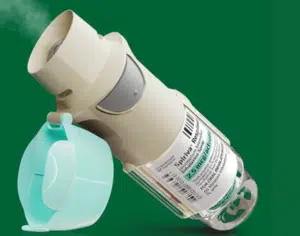
Explore inside a sustainable inhaler - do reusable designs really offer an eco-friendly solution, or is there more to consider than reusability....

HD CEO Ash Ghadar shares drug delivery development insights from PDA Vienna....

Discover how Haughton Design's diverse team leverages their extensive experience to drive innovation in device development. Learn about our expertise and unique insights that ensure successful project...