
Our medical device human factors engineering services help ensure products are intuitive, safe, and compliant with global regulatory expectations, including the usability engineering requirements of IEC 62366-1. By integrating usability engineering early in the development process, we help identify potential use errors, improve device interaction, and support both FDA and MHRA expectations for human factors validation.
Through formative and summative usability testing, we gather real-world insights from representative users to refine interfaces, instructions for use, and ergonomics. This evidence-driven approach supports usability-related risk management in line with ISO 14971, enhances the user experience, and helps ensure devices perform reliably across diverse healthcare settings.
HD’s collaborative team combines deep experience in medical device design and development with human factors expertise, ensuring that every decision — from concept sketch to clinical use — is informed by user needs and real-world context. Our structured yet flexible human factors engineering process helps clients accelerate approval, minimise redesign costs, and deliver safer, more effective healthcare technologies.
We are advocates for user-centred design. While we have a network of specialists, healthcare professionals, and users across a range of sectors, we can also harness your own network throughout the design and development process.
In addition to our multi-disciplinary in-house team, we utilise our network of industry experts to provide impartial support across the following areas:
Beyond reducing the risk of serious use-related harm, and supporting usability engineering and risk management expectations, there are many wider benefits to incorporating HFE into device design and development, including:

Mark ensures that projects are delivered on time and are suitably resourced to guarantee quality of output. Mark is heavily involved in our design services, having a wealth of experience in healthcare devices, trainer devices, IVD’s, and inhalation.
Mark holds a Bachelor’s Degree in Product Design along with 20 years’ experience working on a wide range of design projects.

HD provided the design & development of an innovative urinary drainage device with a number of novel features drawn from user needs.
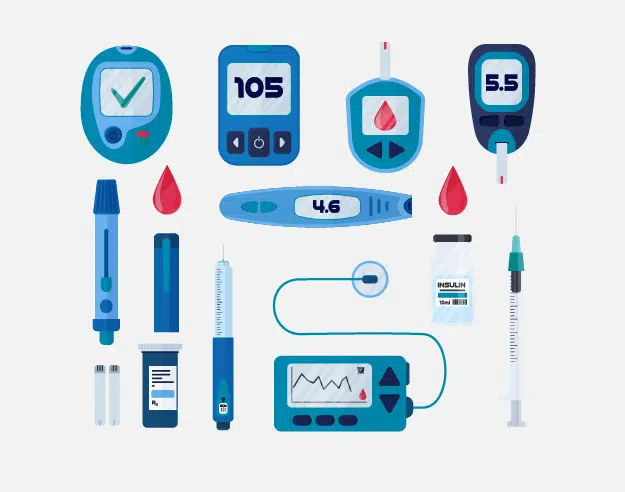
In light of Diabetes Week, we spoke to Chris Harrison, who has been living with Type One Diabetes for over 40 years to learn about the role that medical devices play in his Diabetes Care:

In light of World Continence Week we chat to Tayla Collinson to learn about her experience of living with a catheter:
Despite regularly working on a variety of product and medical device projects, there are always improvements to be made and taking the time to really understand user needs is often a crucial piece to the...

User experience and human centred considerations can, and should, be applied to the design and features of all medical devices – it’s just that they sometimes aren’t. While its paramount that a user is not injured...

It is no secret that risk management isn’t the most exciting subject to speak about, but it is an essential part of all design and engineering, particularly for medical devices. Whether you’re new to the...

Although they differ in finer detail, both the European and U.S. regulatory laws discuss Design Controls. Failure to comply with these laws can result in a series of penalties including your device being taken off...